
DNREC & DPH Call for Heightened Tick Awareness in Delaware
As the warmer weather arrives, we’re spending more time outdoors. DNREC and the Delaware Division of Public Health remind you to take simple steps to avoid tick bites and reduce the risk of tick-borne illnesses like Lyme Disease. Ticks are active in Delaware year-round, not just in warmer months, and can be found in wooded, brushy and grassy areas.
While 19 tick species have been identified in Delaware, most are not a concern for people. A handful of species account for most human bites, including the Deer/blacklegged tick, lone star tick and American dog tick. For the first time the Powassan virus has been detected in a tick in Delaware. Powassin virus is rare, but can cause severe illness – and can be fatal in rare instances. Click here for more on the Ticks of Delaware
Additional information from DNREC:
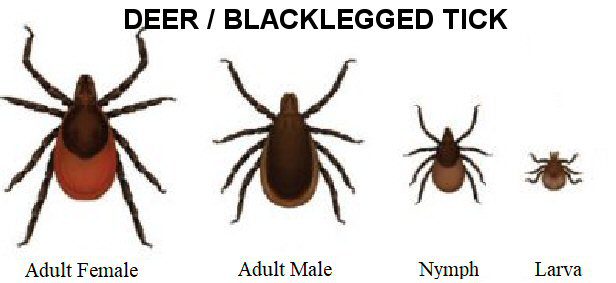
Image courtesy DNREC
“The blacklegged tick is the one we worry about most,” said State Tick Biologist Dr. Ashley Kennedy of DNREC’s Mosquito Control Section. “It can carry several different pathogens, and in our testing, a much higher percentage of them are infected compared to other species.”
This year’s tick awareness reminder also includes Delaware’s first confirmed detection of Powassan virus in a tick. Powassan is rare but can cause severe illness and can be fatal in rare instances. While research suggests that ticks can transmit Powassan virus to the host in as little as 15 minutes of attachment, the incubation period between when someone is bitten by a tick and when they start to feel sick can range from one to five weeks.
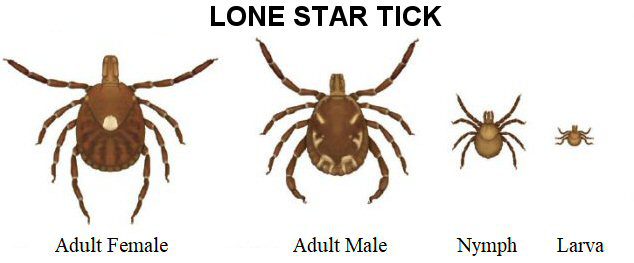
Image courtesy DNREC
Dr. Kennedy said many people believe ticks are only dangerous if they’re attached for a day or longer, but “Powassan virus shows that there’s no safe length of time to have a tick biting you. And blacklegged ticks, the main vector of Powassan virus in our region, are active year-round.
“There are two major differences between Powassan virus and the other tick-borne diseases in our area,” she said. “The first, of course, is that it’s a virus, whereas most of the others are caused by bacteria. While Lyme disease and other bacterial tick-borne disease can be treated with antibiotics, there is no specific treatment or cure for Powassan virus.”
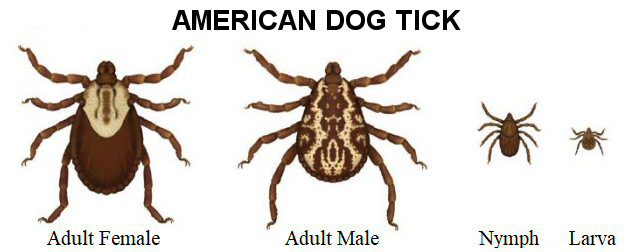
Image courtesy DNREC
Ticks pick up pathogens from wildlife such as mice, birds and other animals as they feed throughout their life cycle. A tick feeds three times in its life — as a larva, a nymph and an adult. The bites that pose the greatest health risk typically come from nymphs and adult ticks that may already be carrying disease.
Tick-borne diseases are a public health focus in Delaware. More than 350 cases of Lyme disease, the state’s most common tick-borne disease, were reported in 2025. Due to an increase in testing, more than 200 cases of alpha-gal syndrome, another tick-borne illness, have been reported to DPH since it became reportable in Delaware in 2024.
“Defending yourself from ticks is not just about comfort, it’s about health,” said DPH Director Steven Blessing. “By following these simple, effective steps, you can protect yourself and your loved ones from tick bites and tick-borne illnesses, ensuring a safe and enjoyable summer.”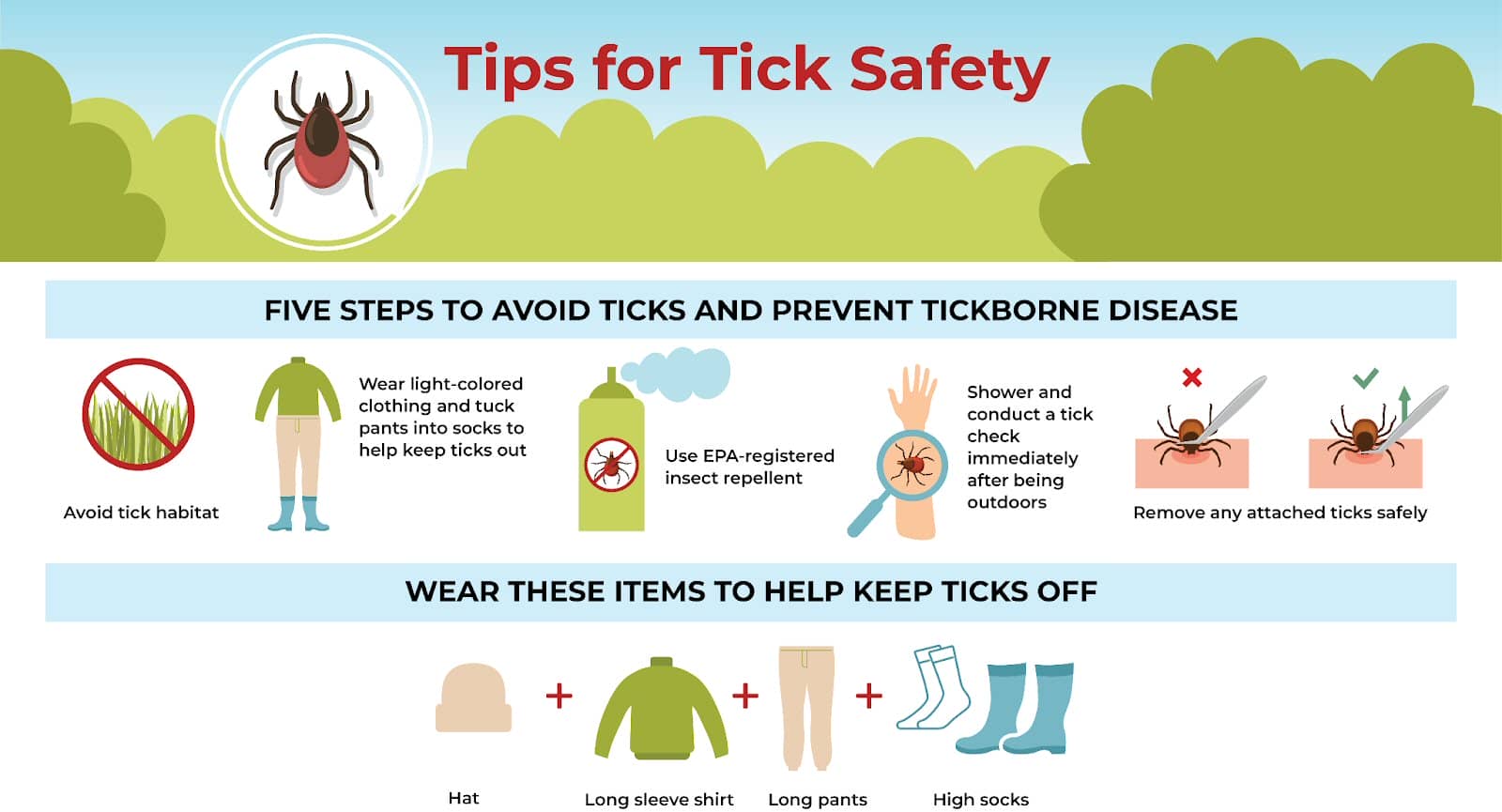
To avoid tick bites:
- Dress smart: When entering wooded or grassy areas, wear long pants, long sleeves, and tuck your pants into socks to minimize exposed skin. Light-colored clothing makes ticks easier to spot.
- Avoid tick habitats: Avoid walking in tall grass, leaf litter, or in wooded or brushy areas. Walk in the center of trails
- Tick repellent: Use EPA-registered insect repellent containing at least 20% DEET, picaridin, or oil of lemon eucalyptus on your skin and clothing. This simple step creates an extra layer of protection. When applying insect repellents, always follow product label instructions for applying the repellent. It is generally recommended to avoid applying repellent on a child’s face, hands, and areas that may come into contact with eyes or mouth.
- Tick checks: After enjoying the outdoors, check yourself, your kids and pets for ticks and immediately take a bath or shower. Ticks like to hide in warm, hidden areas, so inspect armpits, groins and behind the knees. If you find a tick, remove it promptly using fine-tipped tweezers. Grasp the tick as close to your skin as possible and pull it out gently. Do not use heat, petroleum jelly, or other substances to try to make the tick detach.
- Yard care: Keep your yard tick-free by mowing the lawn regularly, removing leaf piles, and creating a buffer zone with gravel or wood chips between your lawn and wooded areas.
- Pet care: Pet owners should use tick prevention products year-round to protect animals that spend time outdoors.
If you’ve been bitten by a tick, clean the area after removing it with soap and water, rubbing alcohol or hand sanitizer. Anyone who develops a fever, rash or flu-like symptoms within 30 days of a tick bite should contact a health care provider.
Knowing what kind of tick was involved can help determine your risk. DNREC encourages residents to save the tick in a sealed bag or take a photo before disposing of it. Photos can be submitted through the Tick Interaction Report at the de.gov/ticks webpage for identification and guidance.
For more information about ticks and tick-borne diseases, visit de.gov/ticks or DPH’s tick-borne disease webpage.