
Attorney General Brown Intervenes to Protect Onshore Wind Energy Projects
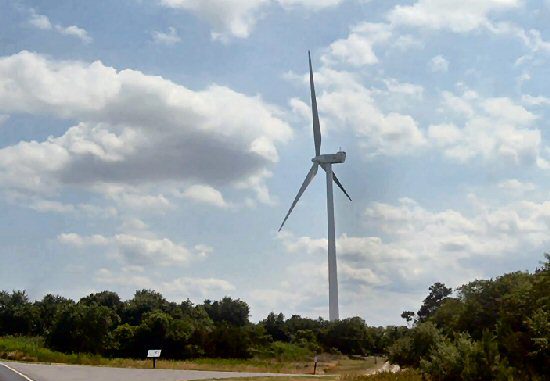
UD’s 2-megawatt turbine in Lewes
Maryland Attorney General Anthony Brown has joined a coalition of 18 other attorneys general in moving to intervene in a lawsuit against the US Department of Defense and Secretary Pete Hegseth for unlawfully freezing routine reviews of land-based wind energy projects across the country. These projects are required by federal law to be reviewed for potential national security concerns, but in August of 2025, the DoD stopped moving projects through this process – blocking wind energy development nationwide.
AG Brown says the freeze is blocking clean-energy projects that could lower costs for Maryland families, create jobs and strengthen the state’s energy future. Delaware is also a part of this coalition.
According to the US Energy Information Administration, “Wind energy accounted for about one-twelfth of Maryland’s renewable electricity generation in 2025. The state’s best onshore wind resources are in its western mountains and along its southern Chesapeake Bay and Atlantic Ocean shorelines. The state’s only operating utility-scale wind farms are along Maryland’s western Appalachian Mountain crests, where 245 megawatts of generating capacity is installed, along with the 55-megawatt solar farm that began operating in mid-2025.”
In Delaware, the only onshore wind project in operation is the 2-megawatt University of Delaware Turbine in Lewes.
Additional information from AG Brown:
Federal law requires DoD to review proposed wind projects for potential national security concerns and work with developers to address any issues. In August 2025, DoD stopped moving projects through this process, blocking wind energy development nationwide. Attorney General Brown and the coalition are asking the court to set aside DoD’s unlawful freeze and order the agency to resume the review process required by federal law.
Under federal law, land-based wind project developers must submit any proposed projects with wind turbines over 200 feet tall to the Federal Aviation Administration (FAA) for review. The FAA then refers these projects to DoD to assess whether they could affect military operations, radar systems, flight paths, or national security. For more than a decade, DoD engaged in a predictable review process and worked with developers to mitigate potential concerns. Mitigation measures often included changes to turbine placement or height, radar upgrades, or agreements to pause generation under certain circumstances.
In August 2025, DoD abruptly stopped following this process. Officials ceased countersigning mitigation agreements, stopped sending completed agreements to developers for signature, and delayed or halted communications with developers about mitigation. As a result, wind projects across the country have been frozen at various stages of the review process, including those that had already completed mitigation negotiations and were awaiting only final DoD approval.
Attorney General Brown and the coalition argue that DoD’s freeze is unlawful, arbitrary and capricious, and violates the Administrative Procedure Act. DoD has not provided a reasonable explanation for its sudden change in policy, accounted for the harm to states, developers, workers, and ratepayers, or considered the major investments made in reliance on its longstanding review process. The coalition also argues that DoD’s refusal to act is causing unreasonable delay and undermining Congress’ directive that DoD balance national security concerns with the responsible development of renewable energy. They are asking the court to require the agency to resume reviewing and approving land-based wind projects.
Joining Attorney General Brown in intervening in this lawsuit are the attorneys general of Arizona, California, Colorado, Connecticut, Delaware, the District of Columbia, Illinois, Maine, Massachusetts, Michigan, Minnesota, Nevada, New Jersey, New Mexico, New York, Rhode Island, and Washington.