
UPDATED: Sick & Dead Snow Geese Found Friday in Sussex County Coastal Waters Test Positive for H5 Avian Influenza
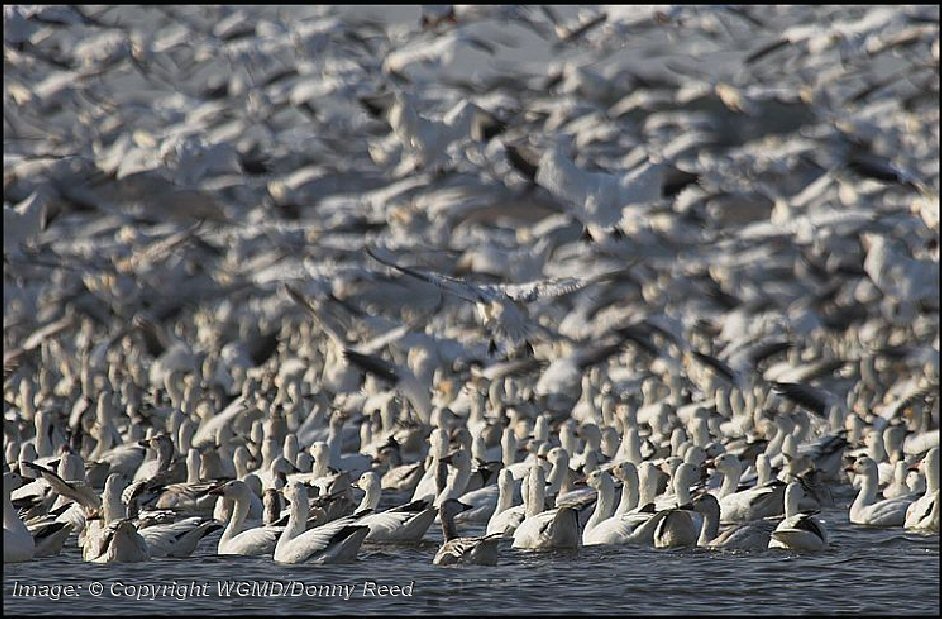
UPDATE – 07:15pm – DNREC and Delaware Agriculture officials Saturday announced that lab tests on sick and dead snow geese collected Friday in coastal Sussex County have returned presumptive positive findings for H5 avian influenza. This is the most recent confirmation on H5 avian influenza on Delmarva since May of 2022 when it was found in black vultures in Harford County in Maryland. The State of Delaware has established a Joint Information Center with DNREC, Ag, Public Health and DEMA. It is not known when or where the snow geese acquired the virus as they are highly migratory and pass throughout the Atlantic Flyway into Delaware and other more southern states. Officials advise you not to touch or handle sick, injured or dead birds and keep pets and children away from these wild birds and bird droppings.
Additional information from Department of Agriculture:
Avian influenza is a highly contagious airborne respiratory virus that spreads quickly among birds through nasal and eye secretions and manure. Snow geese, which are waterfowl, are known to migrate from the Arctic and form large flocks in Delaware each winter. Due to close contact with thousands of other snow geese while feeding and roosting, they can get sick and die. It is unknown when or where the snow geese may have acquired the virus given their highly migratory nature and association with other waterfowl and waterbirds throughout the Atlantic Flyway through which they travel into Delaware and more southern states.
Even with the ongoing detections of HPAI in wild birds, poultry, and dairy cattle in North America, continuous testing of people who are in close contact with infected animals indicates a low risk to the general public’s health. The H5N1 virus has infected very few people and has not been documented to be transmitted between people. The proper handling and cooking of all poultry and eggs to an internal temperature of 165°F is recommended as a general food safety precaution.
If you see a sick or dead bird:
1. Anyone encountering sick or dead wild birds on private or public property is asked to report their findings immediately to State Authorities.
-
- Call the DNREC Wildlife Section at 1-302-739-9912 from 8 a.m. to 4:30 p.m. Monday through Friday.
- Report sightings after hours, weekends, and holidays, report sightings through the DNREC Division of Fish and Wildlife’s sick and injured wildlife reporting form.
- Notify DDA if you find dead or sick wild birds on your farm at poultry.health@delaware.gov.
2. If a resident finds a dead bird on their property, they should wear proper personal protective equipment (PPE), including gloves, a mask and safety glasses, to dispose of it. Double-bag each dead bird found, zip-tie the bag and put it in the trash bin for pickup and disposal at a Delaware Solid Waste Authority landfill. Carefully remove and dispose of all PPE in the dedicated trash and always wash your hands.
3. DNREC also reminds hunters to be cautious when afield handling their harvests of duck and geese as the waterfowl season continues in Delaware. If you are a waterfowl hunter or come across a dead or sick bird, visit the U.S. Department of Agriculture’s Animal and Plant Health Inspection Services website for additional information on proper protocols for contact with a wild bird that may have contracted HPAI.
Since the initial presumptive positive detection this week in Sussex County, more than 40 birds have been reported to DNREC, including snow geese found at Prime Hook Beach. A total count of sick birds cannot be confirmed because wild birds often get sick and die where the public cannot see them. Snow geese fly long distances, which means infected geese may die in other locations and transmit the virus to other birds, including poultry.
Poultry and Livestock Producers
Considering this presumptive positive detection in snow geese, all poultry and livestock owners need to continue increased vigilance in protecting their animals from contracting avian influenza. Follow these steps to help manage wildlife and keep avian influenza off your farm:
- Cover waste. Keep mortality and compost piles covered at all times. The recommendation is one part mortalities to two parts litter, with birds in layers no more than 5 inches deep and not placed next to sidewalls. Cover mortalities daily with litter. Cover the bins with netting or a screen to keep vultures and other wildlife away.
- Remove standing water adjacent to poultry houses and livestock barns. Grade property to avoid pooling water. Fill or grade areas where water stands for more than 48 hours after heavy rainfall. Don’t walk or move equipment through or near standing water – this could track wildlife fecal matter or other contaminants with the virus into your barns. Never use untreated surface water for watering birds, cleaning poultry barns, or other livestock facilities.
- Manage ponds and basins on farms. Prune or remove plants from banks of artificial water structures. Use wire grids, predator decoys, and scare devices to keep waterfowl away. Use fencing to separate natural ponds from the active area around barns.
- Secure buildings. Regularly check and repair damaged screens on windows and doors and holes in barn walls. Install netting or screens and use repellent gel or bird spikes to deter perching. Wash away or remove old nests before each nesting season. It is unlawful to remove nests with eggs or young birds in them.
- Reduce food sources. Don’t feed wildlife. Remove spilled or uneaten feed immediately and ensure feed storage units are secure and free of holes. Wild birds can carry HPAI.
- Use decoys. Install decoys and scare devices and move them often so wildlife doesn’t get used to them.
If you have sick poultry or experience increased mortality in your flock:
- Commercial poultry producers should contact the company they grow for when they notice signs of disease.
- Delaware backyard flock owners who notice any signs of HPAI in their flock should email the Delaware Poultry Health Hotline at poultry.health@delaware.gov or call 302-698-4507 and provide your contact information, size of flock, location, and concerns.
For more information on avian influenza, visit https://de.gov/poultry.
===============================================
ORIGINAL STORY – 12/28/24 – DNREC officials say that a number of snow geese were found Friday either sick or dead in coastal waters in Sussex County. These birds have been sent to the University of Delaware Poultry Health System lab to determine if they fell victim to the highly pathogenic H5N1 avian influenza (HPAI). Officials say that detections of the avian influenza in the snow geese that were stricken in Sussex County – including geese found Friday at Prime Hook Beach – would be the first confirmation in wild birds in the Delmarva region since May of 2022. DNREC advises waterfowl hunters and anyone coming across a dead or sick wild bird to take precautions.
Additional information from DNREC:
HPAI is known to be carried widely in North America by wild birds, especially waterfowl, raptors, and vultures.
Waterfowl hunters and anyone coming across a dead or sick wild bird of any kind should take precaution – for more information on proper protocols upon coming in contact with a wild bird that may have contracted HPAI, visit the U.S. Department of Agriculture’s Animal and Plant Health Inspection Services website. DNREC also reminds hunters to be cautious when afield handling their harvests of duck and geese as the waterfowl season continues in Delaware.
Delaware poultry growers are advised to continue following biosecurity protocols for HPAI. Commercial poultry producers should contact the company they grow for if they notice signs of the disease, while backyard flock owners seeing any indication of HPAI in their flock should contact the Delaware Poultry Health Hotline at poultry.health@delaware.gov, or call 302-698-4507 and provide the grower’s contact information, size of flock, location, and concerns.
For more information on avian influenza, visit https://de.gov/poultry.