The Patriot Weekly – November 1, 2026

The Patriot Weekly · Sunday, November 1, 2026 · DELMARVA Edition
By Patriots, For Patriots

The Patriot Weekly

By Patriots, For Patriots · Where DELMARVA Meets The Nation
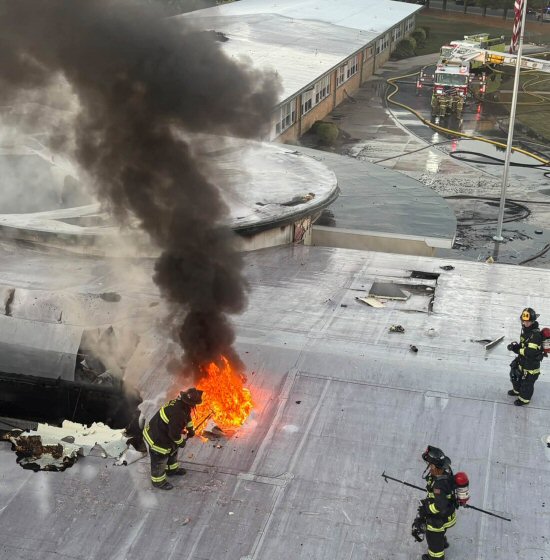
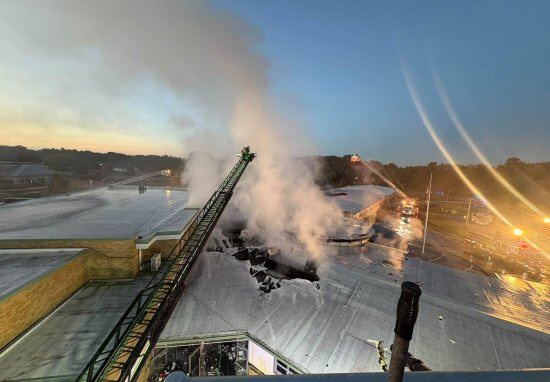
Flames and heavy smoke during the emergency response at Lulu M. Ross Elementary School in Milford
Flames and heavy smoke rise during the response at Lulu M. Ross Elementary School.Georgetown Volunteer Fire Company via WGMD
Education · Recovery · Community

After the Fire

Milford moves more than 600 students as families, teachers and election officials adjust in a single consequential week.

Editor’s Brief

The Choices Before Tuesday

This is The Patriot Weekly’s final edition before Election Day, and the week’s broadcast record makes the public priority unmistakable. After interviewing dozens of candidates this fall, Mike Bradley interviewed 14 local and regional candidates this week alone. Wednesday’s regular officeholders were specifically set aside to create more candidate access. Across those interviews, the repeated questions were close to home: what families can afford, where growth belongs, whether infrastructure can keep pace, how government earns trust, and whether experience or change best serves the next term.

The Lulu Ross fire remains a defining local story. More than 600 children were displaced, Milford attempted a districtwide classroom move in one week, and the fire forced a polling-place change.

Sussex County’s civic week does not end Tuesday night. Return Day brings the county back to Georgetown on Thursday for the carriage parade, the public reading of election returns, burial of the hatchet and ox roast. With the parade carrying no rain date and a strengthening storm system forecast Thursday into Friday, this edition includes both the official program and an event-day weather outlook.

Election Desk · DELMARVA Decides

The Choices Before Tuesday

The Questions DELMARVA Takes to the Ballot

Across the week, Bradley returned to six practical tests: affordability, growth and local control, energy cost and reliability, public safety, experience versus change, and whether voters will turn out.

Across the Interviews

Three Choices Repeated Across County and State Lines

Household pressure

Candidates repeatedly tied their cases to taxes, fees, health care, housing, energy and the cost of running a household or small business.

Growth and control

Land use, infrastructure, water and sewer, environmental protection, property rights and the balance between state and local authority ran through the Sussex, Wicomico and Ocean City conversations.

Experience and change

Incumbents and challengers offered competing arguments about institutional knowledge, independence, constituent service and whether government needs continuity or a different direction.

Official Voting Service

Check the Rules That Apply to Your Ballot

Delaware voters should use the Department of Elections for polling places, sample ballots, early-voting locations and absentee information. Maryland voters should use the State Board of Elections and their local election office. Municipal contests can follow different calendars and procedures from state and federal races.

Delaware Department of Elections · Maryland State Board of Elections · Maryland polling-place search

Return Day · Georgetown

Sussex County · Thursday, November 5

Two Days After the Election, Delaware Returns to Georgetown

Return Day brings winning and losing candidates together in the Sussex County seat for a tradition celebrated in Georgetown since about 1812. It is a legal Delaware state holiday observed after noon for state employees living or working in Sussex County, and the 2026 celebration closes the county’s observance of the nation’s 250th anniversary.

The custom reaches back to the 1791 act that moved the county seat from Lewes to Georgetown. County voters once cast their ballots in Georgetown and returned two days later to hear the results. The modern celebration preserves that public reading while adding the carriage parade, the ceremonial burial of the hatchet in Lewes sand, entertainment, vendors and the free ox roast.

Wednesday · Return Day Eve

Music and Cornhole

The Georgetown Fire Hall tournament registers teams at 5 p.m. and begins play at 6. Live music runs on The Circle from 6:30–10:30 p.m., featuring Danny Paisley & The Southern Grass, The Outlaw Band, Big Hat No Cattle and The Funsters.

Thursday morning

The Circle Opens Early

Arts, crafts, information and food vendors open at 8:30 a.m. The Mayor’s Hatchet Toss begins at 9 at the Old Courthouse. Sussex County youth entertainment runs 9:30–11 a.m., followed by the Milford Community Band from 11:30 a.m.–12:30 p.m.

Thursday · 1:30 p.m.

Parade, Returns and Ox Roast

The Return Day Parade steps off at 1:30 p.m. with candidates, carriages, bands, floats and community groups. Ceremonies follow on The Circle, including the official reading of election returns and burial of the hatchet. Free ox-roast sandwiches follow the ceremonies.

No rain date · Watch Thursday’s forecast

The Return Day Committee states that the parade has no rain date. Current AccuWeather and National Weather Service guidance places Georgetown inside the Thursday–Friday rain window. See the six-day DELMARVA forecast for the current event-day outlook.

Admission: Return Day and the ox roast are free. The event is centered on and around The Circle in Georgetown. The committee is finalizing a changed parade route and will post the revised map when available.

Sussex County Return Day · Official 2026 program · Parade and route updates · Delaware 2026 state-holiday schedule

DELMARVA Report

Education · Recovery · Community

After the Fire: Milford Moves a School in One Week

Ross grades 2–4 are slated for Milford Middle School as sixth graders shift to Central Academy.
Firefighters responding at Lulu M. Ross Elementary School in Milford on October 25, 2026
Firefighters respond at Lulu M. Ross Elementary School in Milford on October 25.Photo: Georgetown Volunteer Fire Company via WGMD

More than 600 Lulu M. Ross Elementary students are scheduled to return to learning environments Monday through a districtwide relocation plan assembled after a three-alarm fire damaged the Milford school.

Milford School District said its plan will move second-, third-, and fourth-grade Ross students into Milford Middle School. To make room, the middle school’s sixth grade will move to Milford Central Academy. Staff at all three schools were notified, while transportation, instructional schedules, start and end times, technology, food service, and other student supports remained part of the district’s continuing work.
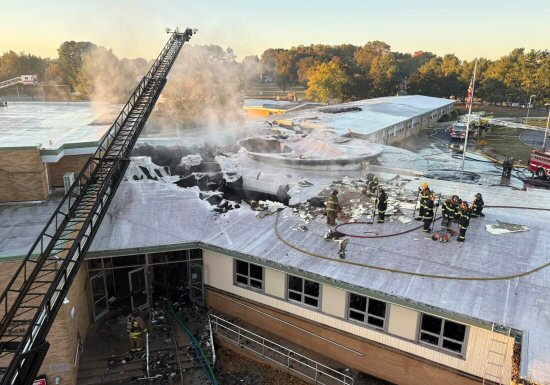
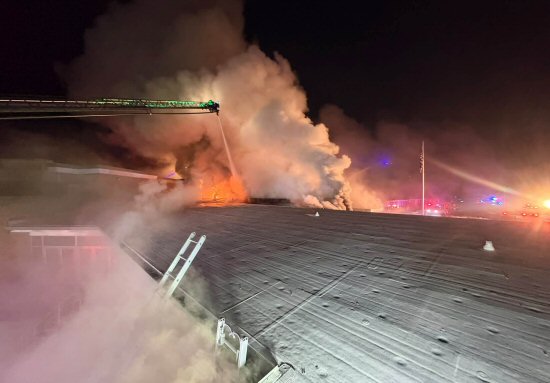
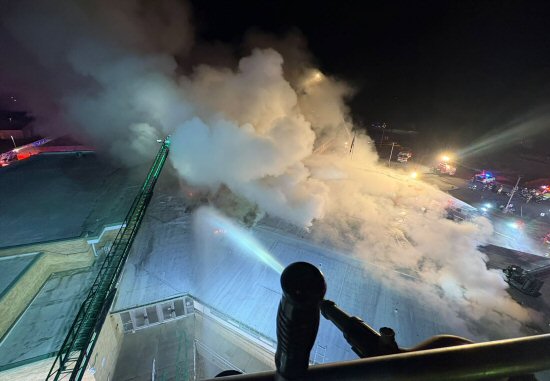
Emergency response operations at Lulu M. Ross Elementary School
Emergency response operations at the school.Georgetown Volunteer Fire Company via WGMD
Fire apparatus outside Lulu M. Ross Elementary School
Fire apparatus outside Lulu M. Ross Elementary.Georgetown Volunteer Fire Company via WGMD
Firefighters working at the Lulu M. Ross Elementary School fire
Crews work during the three-alarm response.Georgetown Volunteer Fire Company via WGMD
Emergency crews at Lulu M. Ross Elementary School in Milford
Emergency crews at the Milford school.Georgetown Volunteer Fire Company via WGMD

The Delaware State Fire Marshal said the fire originated in the Kent wing of Ross. No injuries were reported. Investigators initially found no evidence of criminal activity, and the cause remained under investigation.

The fire also changed an Election Day location. Sussex election district 36-01 voters are directed to Mispillion Elementary School rather than Ross for the November 3 general election.

The district thanked residents for immediate offers of help but asked people to pause independent supply and fundraising drives until it could publish a verified needs list and official contacts. Recovery will extend well beyond Monday’s classroom move.

Sources: Delaware Fire Marshal · WGMD / Milford School District updates

Medication replacement

Delaware insurance officials said medications stored at Ross were destroyed. Insurers and pharmacy-benefit managers were urged to allow early refills, accelerate coverage decisions and use exception processes so affected students do not lose access to needed treatment.

Delaware Department of Insurance bulletin summary

Sunday service

Standard Time returned at 2 a.m. Sunday. WGMD’s Saturday forecast called for partly cloudy conditions and highs generally from the upper 50s into the mid-60s. Check current alerts before travel or marine activity.

WGMD weather · National Weather Service

A marker for Poodle Beach

Delaware Public Archives and Rehoboth Beach officials unveiled a state historical marker at Prospect Street and the South Boardwalk recognizing Poodle Beach’s place in Delaware LGBTQ+ history.

Delaware Public Archives · City of Rehoboth Beach

Delaware Politics

Election Service

Delaware’s Final Early-Voting Weekend

Early-voting sites are scheduled to open from 11 a.m. to 7 p.m. Saturday and Sunday. Election Day is Tuesday, November 3, with polling places open 7 a.m.–8 p.m. Delaware voters may use any early-voting site in their county of residence; on Election Day, they must use their assigned polling place. Completed absentee ballots must reach the county Department of Elections by 8 p.m. Election Day.

Ross-related polling change

Sussex district 36-01’s polling place moved to Mispillion Elementary School. Voters should check their state voter record before traveling.

Official general-election information · Official ways to vote

Consumer Protection

State Files Home-Improvement Complaint

Delaware’s Consumer Protection Unit filed an administrative complaint against Mastercraft Contracting and two principals, alleging that homeowners were misled during door-to-door solicitations. The state says forms described as authorizations for free inspections were actually contracts containing cancellation penalties; it also alleges threats of liens or lawsuits.

The allegations have not been adjudicated. Respondents are entitled to a hearing. The state release did not include a response from the company or its counsel.

Delaware DOJ release

Maryland Politics & Eastern Shore Government

Easton Runway Project Begins

Construction on Easton Airport’s new Runway 4/22 began with a closure scheduled from October 29 through December 18. WGMD reported planned reopening windows for the Waterfowl Festival and Thanksgiving periods. Pilots and travelers should rely on current airport notices and NOTAMs.

WGMD weekly local-news index

Public Safety

Public Safety Briefs

Authorities reported fatal crashes near Lincoln, on Long Neck Road, and in Felton; a Bridgeville home invasion; gunfire that struck a Dover home and parked vehicle; and the accidental discharge of pepper spray on an Easton school bus. Police said a child inside the Dover home was not injured. Easton Police said nine middle-school students were taken to a hospital after the bus exposure.

In Salisbury, a defendant pleaded guilty to second-degree murder in a 2006 cold-case stabbing. Sentencing is scheduled for January 2027.

WGMD current news · Weekly index · Dover report

Saturday Update · Lincoln

Police Identify Driver Killed in Route 113 Crash

Delaware State Police identified Zyadon Briddell, 19, of Ellendale, as the driver who died after a Wednesday-night collision at Route 113 and Johnson Road near Lincoln. Police said a northbound pickup failed to stop at a red light and struck the driver’s side of Briddell’s car. The pickup driver sustained injuries described as non-life-threatening. The investigation remained open Saturday.

WGMD report citing Delaware State Police

High School Football

Friday Night Scoreboard · Delaware

Seven Local Finals from the Last Friday Before Election Day

The Saturday morning WGMD sports report carried these seven downstate and DELMARVA-area finals from Friday, October 30. The results were checked against the Associated Press scoreboard and current team or regional sports records. The Seaford–Washington game is a Delaware–Maryland matchup and is listed here only once.

Cape Henlopen28–7Dover
Sussex Tech13–8Indian River
Caesar Rodney20–19Sussex Central
St. Mark’s45–26Milford
Woodbridge35–0Delmar
Lake Forest44–6Laurel
Seaford35–0Washington (Md.)

Associated Press Friday scores · Cape Henlopen team record · DELMARVA Sports Network football

Eastern Shore of Maryland · Bayside Conference

Six Eastern Shore Finals Complete the Local Scoreboard

Five of these games were played Friday, October 30. Wicomico and James M. Bennett played Thursday night. The cross-state Washington–Seaford result appears in the Delaware group above and is not duplicated here.

Wicomico35–0James M. Bennett
Stephen Decatur42–12Parkside
Easton40–0Cambridge-South Dorchester
North Caroline32–6Colonel Richardson
Kent Island28–14Queen Anne’s County
Snow Hill48–8Kent County

Bayside Conference results · Maryland statewide finals · Stephen Decatur official schedule · DELMARVA Sports Network

DELMARVA Weather

AccuWeather · Weatherology · National Weather Service

Return Day and Friday Sit Inside the Late-Week Storm Window

The latest official forecast keeps Sunday through Wednesday mainly dry and increasingly mild. Shower chances return on Return Day and continue Friday, with the higher probabilities currently arriving Thursday night.

Sunday · Nov. 1

63° / 36°

Patchy morning frost, then partly sunny. Cool overnight.

Monday · Nov. 2

66° / 44°

Morning frost, then mostly sunny. Dry conditions continue.

Election Day · Nov. 3

72° / 53°

Mostly sunny and mild for voting across Sussex County.

Return Day Eve · Nov. 4

75° / 59°

Mostly sunny and warm. Clouds increase overnight.

Return Day · Nov. 5

75° / 60°

A chance of showers develops after 8 a.m. The National Weather Service lists a 40% chance during the day and 50% Thursday night.

Friday · Nov. 6

71° / 54°

Showers remain possible through the day. The National Weather Service lists a 50% chance.

Possible nor’easter window · Thursday through Friday

Current National Weather Service point forecasts place DELMARVA’s higher rain chances from Thursday night into Friday.

The official forecasts use chance-of-showers language and do not identify a named storm or significant hazard. The system’s track, timing and rainfall coverage can still change before Return Day.

For Return Day: The parade has no rain date. Anyone attending should check the Thursday hourly forecast, radar and Georgetown event notices before leaving.

WGMD DELMARVA Weather Center — AccuWeather and Weatherology · AccuWeather Georgetown forecast · National Weather Service Georgetown forecast · NWS Mount Holly forecast discussion

DELMARVA Traffic Outlook

Planned Roadwork · November 1–7

Closures, Detours and Daytime Lane Restrictions

These are scheduled construction impacts carried in WGMD traffic reports and checked against Delaware and Maryland transportation notices. Weather or field conditions can change the timing.

Park Avenue · Georgetown

Closed through 5 p.m. Thursday, Nov. 5

Park Avenue remains closed at the railroad crossing between Lewes–Georgetown Highway/Route 9 and Springfield Road.

Vehicle detour: Springfield Road, Gravel Hill Road and Route 9. The posted truck route uses US 113, Wood Branch Road, Speedway Road, Zoar Road and Gravel Hill Road.

Nassau Road · Lewes

Closure continues through mid-January

Nassau Road is closed between New Road and Queen Anne Way for roundabout construction.

Posted detour: Coastal Highway/DE 1, Savannah Road, Old Orchard Road and New Road.

MD 362 · Somerset County

Monday–Saturday · 7 a.m.–5 p.m.

Daytime single-lane closures continue on Mount Vernon Road between Fitzbound Road and Crisfield Lane for resurfacing. Completion is anticipated in late December, weather permitting.

Arrow boards, cones and flaggers guide traffic through the work zone; drivers should allow extra time.

Sunnyside Road at Apple Tree Road

Thursday, Nov. 5 · Weather permitting

DelDOT plans to convert the Sussex County intersection to all-way stop control, with new signs and pavement markings. Flaggers are expected while the work is underway.

Schedule correction: The Route 17/Roxana Road and Powell Farm Road roundabout closure near Millville will not begin Monday, November 2. WGMD’s updated DelDOT traffic notice moved the start to November 16.

DelDOT travel advisories and detours · DelDOT Park Avenue closure notice · MDOT SHA MD 362 resurfacing notice · Broadcast record: WGMD traffic reports, October 26–30

Economy & Business

Dover · Advanced Manufacturing

A $380 Million Proposal Enters Delaware’s JobsFirst Track

Aternium’s proposed hydrogen and heavy-water production facility at Garrison Oak Business and Technology Park has been accepted into Delaware’s JobsFirst Permitting Accelerator. The company and state project roughly 50 permanent technical, engineering, operations and manufacturing jobs, plus hundreds of construction jobs.

The state said the project remains in planning, that local, state and third-party approvals have not begun, and that construction is projected for late November 2027 followed by an estimated 18-month build. Delaware previously awarded the company $1 million through a state seed-capital program.

The accelerator coordinates agency reviews and targets completion of complex state permitting reviews within 120 business days; acceptance does not replace environmental, safety or other regulatory standards.

Delaware Governor’s Office announcement · WGMD report

First Light DELMARVA Ag Report

Clay Patton · Monday–Friday

Five Mornings Connected Markets, Policy and DELMARVA Production

The Ag Report aired every weekday. Monday followed soybean export buying, National FFA leadership from Laurel High School, cold-storage inventories and broilers. Tuesday covered soybean inspections, Brazilian export competition, USDA corn-data corrections and Pennsylvania promotion grants. Wednesday examined harvest pressure, soybean stocks, maritime fuel as a possible ethanol market, livestock and dairy. Thursday connected grain prices to the Federal Reserve, ethanol output, Maryland streamside-cropland incentives and Penn State research. Friday covered soybean exports, the DELMARVA Chicken Association’s environmental award for Maryland grower Derek Carreiro, dairy demand and mushroom-pest research.

Wednesday Statehouse Schedule

Sen. Brian Pettyjohn and Rep. Valerie Jones Giltner did not appear this week. Mike Bradley told listeners Wednesday that he had given the recurring guests the week off to make room for additional candidate interviews. Pettyjohn was expected back the following Wednesday, and Jones Giltner was identified as a possible election-night contributor. No prior-week interview has been backfilled.

Military & Veterans

Veterans Day · Community

Flags for Heroes Returns to Kings Highway

The Lewes–Rehoboth Rotary Club’s Flags for Heroes field will honor veterans, active-duty personnel, first responders, teachers and other community heroes during a two-week period spanning Veterans Day. The display is planned in front of the Cape Henlopen School District office on Kings Highway in Lewes.

This year’s keepsake medallion marks the nation’s 250th anniversary. Sponsorship proceeds support community organizations through the Lewes–Rehoboth Rotary Club Foundation.

Lewes–Rehoboth Rotary Club Flags for Heroes

Talk of DELMARVA

Mike Bradley · Interview Notebook

What Mike Bradley Asked—and What the Candidates Said

Fourteen interviews produced specific arguments about the powers of office, not merely campaign introductions.

Monday · October 26
Delaware House 41 · 7 a.m.John AtkinsBradley opened with early turnout and the district’s changing electorate. Atkins said newcomers around Millsboro and Selbyville were more conservative than some assumed and made preventing a Democratic supermajority central to his case. He connected that argument to firearms, property and right-to-farm protections, marijuana, offshore wind, Senate Bill 23, and state overrides of local land-use decisions.
Longer interview summary

Atkins said his campaign was using calls, texts, social media and personal contacts to reach both early voters and people planning to vote on Election Day. He described the electorate around Millsboro and Selbyville as more conservative than some statewide assumptions suggest and pointed to his door-to-door conversations as the basis for that view.

Bradley then moved to the balance of power in Dover. Atkins argued that preventing a Democratic supermajority was central to the race because it could affect constitutional and statutory changes. He connected that argument to firearms, property rights, right-to-farm protections, marijuana policy, offshore wind, Senate Bill 23 and state authority over county or municipal land-use decisions.

Delaware House 36 · 7 a.m.Bryan ShupeThe Ross school fire made voting logistics the first issue: Shupe discussed the damaged polling site, neighboring Mispillion’s fiber problem, and the need for a rapid state contingency. He then argued for spending limits, better school outcomes, and repeal of certificate-of-need restrictions on health-provider expansion while warning about one-party constitutional power.
Longer interview summary

The Lulu M. Ross school fire opened the interview because the school had been a heavily used polling place. Shupe discussed the damaged site, fiber problems at the neighboring Mispillion building and the need for the Department of Elections to establish and communicate a replacement plan quickly.

On the legislative race, Shupe argued for spending limits and described the House’s partisan balance as consequential for constitutional change. He cited his small-business experience and constituent work, then discussed living costs, school performance and his support for repealing certificate-of-need restrictions that govern some health-provider expansion.

Maryland Congressional District 1 · 8 a.m.U.S. Rep. Andy HarrisHarris defended tariffs and farm relief, supported work requirements in public-assistance programs, and criticized Affordable Care Act subsidy design. The interview also reached Medicaid and rural health, making federal policy directly relevant to Eastern Shore hospitals, providers, and patients.
Longer interview summary

Harris defended tariffs as part of a broader trade strategy and discussed federal farm relief for producers affected by trade pressure. He supported work requirements in public-assistance programs and criticized the design of Affordable Care Act subsidies.

The interview also covered Medicaid and rural health care. Harris discussed how federal reimbursement, eligibility and subsidy decisions reach hospitals, medical practices and patients in Maryland’s First District.

Tuesday · October 27
Wicomico Council District 5 · 7 a.m.Joe WhiteWhite traced his candidacy to trying to secure public fields and gyms for youth soccer and futsal. He described water and sewer planning as essential for failed septic systems and business growth, defended the voter-approved revenue cap, and discussed county reserves, council–executive relations, and nursing-home governance.
Longer interview summary

White said his path into county politics began with a youth soccer and futsal program that had difficulty securing public fields and gym space. That experience brought him to council meetings and expanded his interest from recreation access to county services, agriculture and the needs of smaller communities in District 5.

He described water and sewer planning as important for properties with failing septic systems and for sites intended to attract employers. White defended Wicomico’s voter-approved revenue cap and argued that income-tax growth and county reserves reduced the case for a property-tax increase. Bradley also questioned him about council–executive relations and oversight of the county nursing home.

Sussex Council District 5 · 7 a.m.John L. RieleyBradley pressed Rieley on different forest-preservation rules inside and outside the growth zone. Rieley said the formula steers construction toward roads, sewer, water, and town centers while making rural development harder. He defended counting some buffers, cited county open-space spending and preserved acreage, and framed the choice as environmental protection balanced with property rights.
Longer interview summary

Bradley asked Rieley why Sussex County applies different forest-preservation requirements inside and outside its growth zone. Rieley said the distinction is intended to direct development toward existing roads, sewer, water and town centers while making large rural projects more difficult.

Rieley defended allowing some buffers to count toward preservation totals, saying narrow parcels could otherwise become difficult to use. He also discussed county spending on open-space and farmland preservation, preserved acreage and his opposition to applying very large universal buffers along every waterway. He framed the policy choice as a balance among environmental protection, community planning and property rights.

Ocean City Mayor · 8 a.m.Matt JamesJames explained that Worcester early voting did not cover Ocean City’s municipal race and described the city’s absentee process. He acknowledged broad policy agreement with Mayor Rick Meehan but promised a more active mayor in feeder-market outreach, tourism messaging, and Annapolis lobbying. The discussion also covered offshore wind and state rental-inspection mandates.
Longer interview summary

James explained that Worcester County’s early-voting process did not include Ocean City’s municipal election. He discussed the city’s absentee-ballot option for voters unable to appear on Election Day and directed the process through the city clerk’s office.

James said he and Mayor Rick Meehan agreed on much of the council’s policy direction but differed over how active the mayor should be as Ocean City’s public ambassador. He proposed renewed outreach in feeder markets, more direct involvement in tourism messaging and changes to the Tourism Commission. Bradley also asked about Annapolis relationships, offshore wind, lobbying and state rental-inspection requirements.

Wednesday · October 28
Delaware House 4 · 7 a.m.Dan ZitofskyZitofsky emphasized infrastructure funding, constituent access, veterans’ service, and community work. He argued that party-line voting was crowding out district judgment.
Longer interview summary

Zitofsky emphasized infrastructure funding, access to a representative, veterans’ service and his community work. He described the race as a choice between party-line voting and district-by-district judgment.

Bradley’s questions focused the discussion on what a state representative could do about roads, drainage, development pressure and constituent services. Zitofsky argued that the district needed a representative willing to pursue agency attention and state funding while remaining accessible to residents after the election.

Delaware State Treasurer · 7 a.m.Michael RamoneRamone described the treasurer’s board assignments, revenue-forecasting participation, investment oversight, and potential role as an independent financial voice. He used 16 years in the General Assembly to argue for experience, transparency, and institutional independence. The interview centered on Ramone’s description of the office’s statutory powers and limits.
Longer interview summary

Ramone used the interview to describe the state treasurer as more than a custodian of accounts. He discussed the office’s board assignments, participation in revenue forecasting, cash management, investment oversight and ability to provide an independent financial perspective.

Drawing on 16 years in the General Assembly, Ramone presented experience and institutional knowledge as qualifications for the office. He argued that the treasurer should make state finances more understandable to the public while maintaining independence from the administration and the legislative majority.

United States Senate · Delaware · 8 a.m.Dr. Michael “Dr. Mike” KatzKatz appealed to Republicans, independents, and what he called common-sense Democrats. He connected affordability to small business, health-care access, housing, and federal debt, and contrasted his physician, business, and former state-senator background with incumbent Chris Coons after a University of Delaware forum.
Longer interview summary

Katz appealed to Republicans, independents and voters he described as common-sense Democrats. He connected affordability to the conditions facing small businesses, access to medical care, housing costs and the federal debt.

The conversation followed a University of Delaware forum and contrasted Katz’s case with incumbent Sen. Chris Coons. Katz cited his experience as a physician, business owner and former Democratic state senator as evidence that he could work across party lines while opposing what he described as Washington’s current ideological direction.

Thursday · October 29
Delaware Senate 15 · 7 a.m.Emily A. ThompsonThompson discussed taxes, education, firearm policy, girls’ sports, and the open seat created by Dave Lawson’s retirement. She elevated energy cost and reliability, including warnings about future brownouts or blackouts.
Longer interview summary

Thompson discussed the open Senate District 15 seat created by Dave Lawson’s retirement. The interview covered taxes, education, firearm policy and girls’ sports, along with the experience she said she would bring to the district.

Energy became the most detailed policy subject. Thompson said voters were concerned about both electricity prices and reliability and warned of possible future brownouts or blackouts. She argued that Delaware should evaluate energy choices according to affordability, available generation and dependable service rather than relying on the existing policy mix.

Wicomico Council District 7 · 7 a.m.Ross EvansEvans presented himself as a young father, business owner, and insurance professional focused on keeping opportunity in Wicomico. Bradley questioned him on the tax cap, public safety, housing, economic development, and county-government conflict.
Longer interview summary

Evans introduced himself as a young father, Salisbury native, business owner and commercial-insurance professional. He said his campaign was motivated by whether younger families could find housing, build careers and remain in Wicomico County.

The discussion covered the revenue cap, public safety, housing, economic development, water and sewer infrastructure and the county’s comprehensive plan. Bradley also asked about conflict between the county executive and council. Evans said cooperation should improve while the council continues to protect fiscal limits and fund core services.

Maryland Senate 38 · 8 a.m.Sen. Mary Beth CarozzaCarozza emphasized constituent service, Eastern Shore opportunity, and regional and partisan balance in Annapolis. The interview separately included Carozza’s remembrance of Steve Pappas.
Longer interview summary

Carozza emphasized constituent service, Eastern Shore economic opportunity and the value of regional representation in Annapolis. She argued that experience with state agencies and the legislative process helps the Shore secure attention for local priorities in a General Assembly dominated by members from other regions.

The conversation also addressed partisan balance and the practical work of moving appropriations and legislation. A separate portion of the interview remembered Steve Pappas and his community role; that remembrance was distinct from Carozza’s campaign discussion.

Friday · October 30
Delaware Attorney General · 7 a.m.David C. “Dave” GrahamGraham challenged Attorney General Kathy Jennings over multistate litigation, gun-related charging practices, public safety, and Second Amendment policy.
Longer interview summary

Graham criticized Attorney General Kathy Jennings over Delaware’s participation in multistate litigation and questioned how the Department of Justice handles gun-related charges. He tied those subjects to public safety, prosecutorial priorities and Second Amendment policy.

Bradley pressed the office-specific differences in the race: when Delaware should join national lawsuits, how prosecutors should use firearm enhancements or related charges and which results should measure the department’s performance.

Maryland Senate 37 · 8 a.m.Sen. Johnny MautzMautz covered early turnout, taxes and fees, the state budget, power generation, education spending, audits, and ballot Question 3.
Longer interview summary

Mautz discussed early-vote turnout, taxes and fees, the Maryland budget and the position of the Eastern Shore delegation in Annapolis. He framed his campaign around continuity, accountability and maintaining an effective Shore voice in state government.

The interview also covered electricity generation and reliability, education spending, government audits and ballot Question 3. Mautz connected those subjects to household costs and state oversight, while Bradley moved between the immediate election and the legislative decisions that would follow it.

Source: WGMD broadcasts, Oct. 26–30.

Your Turn DELMARVA · MJ Powell

From Turnout Forecasts to Household Experience

Powell’s program moved through early voting, turnout, public safety, generational competence, prediction markets, polling, party messaging, candidate quality, inflation, fuel and family budgets, immigration rulings, and AI. Friday’s first hour distinguished what callers wanted to happen from what they expected, while the later discussion tested upbeat national indicators against listeners’ descriptions of household pressure.

Callers also described first-time midterm participation and their expectations for Election Day.

Clay Travis & Buck Sexton · Noon–3 p.m.

The National Campaign, State by State

Tuesday brought Republican Sen. Roger Marshall into a Kansas campaign discussion. Wednesday included Michigan Republican Mike Rogers and a discussion of the Alaska ballot controversy involving another candidate named Dan Sullivan. Thursday included Minnesota Republican candidate Michele Tafoya and references to North Carolina Rep. Tim Moore and Alaska’s Senate contest. Friday included Sara Carter on fentanyl enforcement and the administration’s drug-policy record.

The hosts repeatedly urged early voting and discussed polling, Senate control and governor races.

Mark Levin · 6–9 p.m.

Candidate Interviews Inside a Constitutional Argument

Monday’s guests included Ohio gubernatorial candidate Vivek Ramaswamy and California gubernatorial candidate Steve Hilton, who discussed campaigning, state governance, economic conditions, and their arguments for political change. Tuesday included Florida gubernatorial candidate Byron Donalds. Later programs continued with New York and Alaska, ranked-choice voting, Republican unity, socialism, and control of the Senate.

Sean Hannity · 9 p.m.–Midnight

Turnout, White House Messaging and Battleground Interviews

Wednesday’s final hour included Ohio gubernatorial candidate Vivek Ramaswamy and White House official Anna Kelly. Earlier Wednesday, South Carolina Sen. Darline Graham discussed her campaign against Annie Andrews and the legacy of her late brother, Sen. Lindsey Graham. Alaska Sen. Dan Sullivan addressed the same-name candidate controversy in his race. Thursday included White House Deputy Press Secretary Taylor Rogers, presidential campaign travel, energy, turnout, and Alaska callers.

National Affairs

Your News Talk America · Jake Smith

The Week on YNTA: 37 Guest Appearances

Jake Smith hosted three hours each weekday from 9 a.m. to noon. The entries below identify 37 confirmed guest appearances and summarize each discussion.

Monday · October 26

Paul M. Davis

9 a.m. · Iran and regional security

Davis discussed the possibility of renewed U.S. or Israeli action against Iran, regional military deployments and the prospects for diplomacy. He also connected the Iran question to political unrest in Europe. The conversation weighed military pressure against negotiations and considered how either course could affect regional stability. Davis examined whether the additional military assets represented deterrence or preparation for an operation. He also discussed Israeli military exercises, continuing operations in Gaza and the risk that a limited strike could grow into a wider conflict.

Antonio Graceffo

9 a.m. · European unrest

Speaking from Rome, Graceffo described demonstrations and political tension across Europe. He tied the unrest to rent, wages, fuel costs, migration and widening political polarization. He compared the grievances and government responses across several countries and discussed how the protests were reshaping party politics. Graceffo described the gap between European wages and costs, using housing, fuel and consumer taxes as examples. He also discussed online organizing, the spread of protests from one city to another and the sharply different ways European media portrayed the unrest.

Peter Connolly

10 a.m. · Migration and European politics

Connolly discussed immigration enforcement, European border policy and the political response to street protests. His segment compared government responses in Ireland and elsewhere in Europe. He also addressed the pressure that migration and public disorder were placing on police, local officials and national governments. Connolly addressed how asylum rules, border enforcement and migration policy affect police and local services. He also compared political leaders who favored tougher enforcement with those treating the demonstrations primarily as a public-order problem.

Brig. Gen. Blaine Holt

10 a.m. · Security and protest movements

Holt discussed the security implications of European unrest and the role of organized political movements. He addressed how economic grievances, migration and foreign-policy disputes were shaping the demonstrations. The interview also examined how governments distinguish peaceful protest from organized violence and how security agencies respond. Holt considered whether the speed and coordination of the unrest suggested organization beyond spontaneous protest. He also discussed how security officials assess outside influence, organized movements and the possibility that legitimate economic complaints can be exploited.

Kenneth Schrupp

10 a.m. · California high-speed rail

Schrupp criticized the California high-speed-rail project over its cost, delays and changing scope. He argued that consultants, unions and political incentives had prolonged the project without delivering the originally promised system. The discussion compared the project’s initial promises with its current route, schedule and financing challenges. Schrupp focused on the widening distance between the original route and schedule and the project now being built. He also discussed public oversight, contracting incentives and the difficulty of ending a large project after years of spending and political commitments.

R. Russell Walker

11 a.m. · AI and financial accounts

Walker explained how user-authorized AI agents could gain access to bank and investment accounts. He also discussed voice cloning, automated sales offers, fraud exposure and his case for independent testing of consumer AI systems. He distinguished criminal misuse by people from risks created when an automated agent is granted broad permission to act for a user. Walker described the permissions an AI agent might receive and why access to financial accounts creates a different risk from an ordinary chatbot. He also outlined safeguards involving limited authority, verification, independent testing and clear responsibility when an automated transaction goes wrong.

Christine Balling

11 a.m. · Brazil, Venezuela and Cuba

Balling discussed Brazil’s runoff election, the Bolsonaro challenge and the role of Brazil’s courts. The interview also covered Venezuela, Cuba and regional political influence. She connected the election dispute to wider questions about judicial power, opposition parties and relations among Latin American governments. Balling addressed the court’s role in the result, Bolsonaro’s challenge and the political divisions surrounding the runoff. She also connected Brazil’s dispute with the governments of Venezuela and Cuba and with the broader contest over regional influence.

James McManus

11 a.m. · Federal fraud whistleblowers

McManus reacted to a proposed federal incentive for reporting government fraud. Drawing on his stated organized-crime background, he discussed how insiders identify schemes, how rewards might work and his own pending civil dispute. The segment considered whether financial incentives would bring forward useful evidence and how officials could evaluate claims from participants in fraud schemes. McManus discussed the evidence an insider could supply, the size and structure of potential rewards and the problem of screening self-interested claims. He also described how his own background and civil dispute shaped his view of cooperation between informants, lawyers and federal investigators.

Tuesday · October 27

Capt. Morgan Murphy, USNR

9 a.m. · Jordan and Syria

Murphy discussed a deadly attack at a Greek Orthodox funeral in Jordan, Jordanian strikes in southern Syria and threats facing Christian communities in the region. He placed the developments within the wider Iran conflict. The conversation also covered Jordan’s security role, cross-border violence and the risks of the conflict spreading to additional communities. Murphy discussed Jordan’s response, security along the Syrian border and the vulnerability of Christian communities caught between armed groups. He also considered what the attacks and retaliatory strikes could mean for American partners and military planning in the region.

E.J. Kimball

9 a.m. · Israel’s election

Kimball discussed Israel’s parliamentary election, coalition arithmetic and security policy. He also addressed whether political and security conditions could influence Jewish migration between Israel and the United States. The segment examined turnout, possible governing coalitions and the effect of the election on Israel’s relationship with American Jewish communities. Kimball examined high turnout, the close Netanyahu–Eisenkot contest and the bargaining required to assemble a coalition. He also discussed military-service exemptions, judicial power and how prolonged political uncertainty could affect security policy.

Ammon Blair

10 a.m. · Immigration enforcement

Blair discussed federal immigration enforcement, border policy and the division of responsibility among federal, state and local authorities. The conversation also covered political resistance to enforcement measures. He addressed cooperation between agencies, local limits on enforcement and the practical consequences of competing federal and state policies. Blair discussed the limits of federal authority, state cooperation and local policies that restrict participation in immigration enforcement. He also considered how litigation and political resistance affect removals, detention and the ability of agencies to carry out national policy.

Jon Schweppe

10 a.m. · Anthropic and AI regulation

Schweppe examined Anthropic’s planned public offering, its reported risk disclosures and the tension between rapid AI deployment and safeguards. He also discussed regulation, corporate governance and the political values embedded in technology companies. The interview considered how investors, regulators and the public should assess a company promising rapid growth while warning about the risks of its own technology. Schweppe discussed the importance of the company’s own risk language, the pressure to commercialize quickly and the possibility that regulation could favor the largest firms. He also examined how corporate ideology and governance decisions influence product rules, speech policies and public trust.

Kaelan Deese

10 a.m. · Federal case involving James Comey

Deese reviewed reported federal charges involving former FBI Director James Comey, the legal history surrounding the matter and earlier disputes over prosecutorial appointments. The discussion distinguished the new allegations from prior proceedings. He also explained the procedural questions likely to shape the case, including jurisdiction, charging decisions and challenges to prosecutorial authority. Deese separated the reported new case from earlier investigations and explained why appointment disputes could matter before the underlying allegations are tried. He also discussed the likely sequence of motions, jurisdictional arguments and challenges to the prosecutor’s authority.

Elaine Ellinger

11 a.m. · Religion and Western institutions

Ellinger discussed how Western governments and religious institutions classify Islam, religious accommodation and her view of the relationship among Islam, communism and Western civic life. She also answered a DIAL question about the Catholic Church’s public response. The segment focused on how religious institutions balance interfaith engagement with public debate over law, culture and political movements. Ellinger addressed the language used by governments and churches when discussing religious belief, political ideology and security. She also discussed whether accommodation can coexist with firm civic rules and how religious leaders respond publicly when those questions become political disputes.

Frank Guerrini

11 a.m. · Global Break-A-Thon

Guerrini described a martial-arts fundraising event involving host schools, board purchases and reimbursements. He said proceeds were connected to Operation Child Rescue and explained how participating locations could join the event. The interview covered the event format, the responsibilities of host schools and the way money would move from participants to the beneficiary. Guerrini explained how participating schools would register, obtain materials and conduct the fundraising activity. He also described the relationship between purchases, reimbursements and donations and how the event intended to connect local martial-arts communities with the named beneficiary.

Wednesday · October 28

Dr. Jeffrey L. Degner

9 a.m. · Economy, employment and AI

Degner discussed consumer confidence, gasoline prices and job availability. He argued that employees increasingly need to show how they can use AI productively rather than treat it only as a threat to their work. The segment also considered how public policy, business investment and uncertainty were affecting hiring and household expectations. Degner connected falling gasoline prices and available jobs with continued public unease about the economy. He also answered a participant question about government policy and discussed how workers can use AI to increase productivity instead of waiting for employers to define the technology’s role.

Paul Jacob

10 a.m. · Citizen-only voting

Jacob promoted state constitutional amendments limiting voting to U.S. citizens and called for stronger enforcement of existing election law. He discussed six state ballot efforts and the language used in those amendments. The conversation addressed why supporters seek explicit constitutional language even where statutes already restrict voting eligibility. Jacob described the six state campaigns, the wording supporters sought and the argument that constitutional language would be harder to weaken than ordinary statutes. He also discussed enforcement, ballot administration and why the issue continued even where existing law already limited voting to citizens.

Dr. Samuel Gregg

10 a.m. · Tariffs and commerce

Gregg argued that tariffs raise costs for businesses and consumers and can invite retaliation. Drawing on his book The Civilization of Commerce, he contrasted freer markets with European regulation and industrial policy. He also discussed how trade rules, taxes and regulation influence investment, employment and the prices households ultimately pay. Gregg discussed tariffs as taxes paid through supply chains and described the risk of retaliation against exporters. He also connected trade policy with regulation, investment and employment and used his book’s argument to contrast commercial freedom with state-directed industrial policy.

Christine Balling

11 a.m. · Brazil and Cuba

Balling discussed Flavio Bolsonaro’s reported departure from Brazil and the continuing political conflict surrounding the election. She also addressed a confrontation involving U.S. Ambassador Michael Waltz and Cuba’s foreign minister at the United Nations. The conversation connected those developments to U.S. diplomacy, regional alliances and opposition to authoritarian governments in Latin America. Balling discussed the continuing conflict between Bolsonaro’s supporters, Brazil’s courts and the government after the election. She also examined the United Nations confrontation as part of the larger dispute over Cuba, U.S. diplomacy and political alignment across Latin America.

Don Palmer

11 a.m. · Election administration

Palmer discussed investigations involving noncitizen registration, federal election monitoring and enforcement. He also addressed the movement toward voter-marked paper records and answered a DIAL question about voting machines. The interview compared the roles of state election offices and federal agencies and examined how paper records are used in audits and recounts. Palmer described how registration investigations begin, what federal monitoring can and cannot do and where state election officials retain control. He also explained the purpose of voter-marked paper records and how those records support audits, recounts and public confidence in machine-tabulated results.

Tim Graham

11 a.m. · Media coverage of immigration

Graham criticized a CBS 60 Minutes immigration segment and said the program omitted material supplied before broadcast. The interview focused on editorial selection, source material and the way immigration reporting is framed. He described the information his organization said it provided and argued that the final broadcast left viewers without important context. Graham described the material his organization said it gave the program and the points he believed were missing from the finished segment. He also discussed how editing choices, source selection and the order of facts can change the audience’s understanding of an immigration story.

Adam Swart

11 a.m. · Organized demonstrations

Swart described how his company arranges paid, peaceful demonstrations and contrasted that work with recent unrest in France. He argued that violent participants had overtaken some student grievances and discussed how organizers respond when protests change character. The conversation also addressed the distinction between compensated organizing, spontaneous protest and groups that exploit an existing demonstration. Swart described his company’s paid organizing model, the safeguards it uses for peaceful events and the business interest behind his perspective. He also discussed what happens when unaffiliated groups enter a demonstration and how organizers decide whether to continue, change tactics or withdraw.

Thursday · October 29

Paul M. Davis

9 a.m. · Iran

Davis returned to possible U.S.–Iran negotiations, military pressure and the prospect of renewed action. He discussed what diplomatic signals and regional deployments might mean for the next stage of the conflict. The interview considered what concessions could bring the parties back to talks and what developments might instead trigger another military response. Davis discussed what diplomatic concessions might reopen negotiations and what deployments could signal that talks were failing. He also considered the roles of Israel, regional partners and American military assets if pressure shifted from negotiation to another round of strikes.

Kenneth Abramowitz

9 a.m. · Israel’s election

Abramowitz discussed the inconclusive Israeli election, coalition formation and the country’s security debate. He also raised concerns about foreign influence and election integrity during questions from the program. The segment examined the difficulty of building a governing majority and how the result could shape policy toward Iran and the United States. Abramowitz discussed the competing coalition possibilities, the difficulty of forming a durable government and the security questions facing the next cabinet. He also connected the election with Iran policy, relations with Washington and claims raised during the program about outside influence.

Elaine Ellinger

10 a.m. · Rebroadcast

The program rebroadcast Ellinger’s earlier discussion of Islam, religious accommodation and Western institutions. The segment addressed the responsibilities of governments and churches when religious liberty, civic law and political movements come into conflict. It is identified here as a rebroadcast rather than a new interview. The rebroadcast revisited the definitions and institutional choices discussed in the original segment. It also preserved Ellinger’s response to questions about religious accommodation, civic law and the public role of churches without presenting a second appearance as new material.

Alexander Stevens

10 a.m. · Electricity and data centers

Stevens discussed state energy policy, electricity prices and rising demand from data centers. He argued that regulation and generation choices help explain differences in power costs among states. The conversation examined how utilities can meet new industrial demand while maintaining reliability and limiting additional costs for households. Stevens compared states with different generation mixes and regulatory policies and linked those choices to electricity prices. He also discussed the scale of data-center demand, the need for dependable capacity and the question of who pays for new transmission and generation.

Kevin Mooney

10 a.m. · Energy policy and fusion

Mooney discussed electricity supply, data-center demand and the political debate over generation. He also addressed proposed fusion timelines and the limits of relying on future technology to meet current demand. The interview compared near-term generation choices with longer-term research and asked what can realistically be built before demand outpaces supply. Mooney compared immediate generation needs with fusion research that may take years to reach commercial use. He also discussed reliability, permitting and the risk of planning around future technology while data centers and households are increasing demand now.

Joe Hoft

10 a.m. · Alaska election controversy

Hoft discussed reports that political operatives sought another Alaska Senate candidate named Dan Sullivan. He compared the controversy with earlier election-integrity disputes and argued that investigators should examine who organized and financed the effort. The segment focused on possible voter confusion, campaign responsibility and the questions state and federal investigators would need to answer. Hoft discussed how a same-name candidate could affect ballots, voter recognition and a close statewide race. He also focused on the reported search for the candidate, the financing and organizational questions surrounding it and the matters investigators were examining.

Mateo Forero

11 a.m. · Commercial-driver licensing

Forero described FAIR’s lawsuit seeking New York DMV records on commercial-driver licensing. He alleged weaknesses in oversight of foreign-national drivers and training schools and discussed audits, licensing standards and highway-safety concerns. The interview addressed what records the organization wants, how commercial credentials are issued and what enforcement gaps it believes the documents may show. Forero described the DMV records sought in the lawsuit and the licensing and training questions FAIR wanted those documents to answer. He also discussed commercial-driving schools, language and qualification standards, reported audits and the connection he drew between licensing oversight and highway safety.

Maria Dello

11 a.m. · Halloween dog safety

Dello advised exercising dogs before trick-or-treating, placing them in a secure room away from repeated doorbell activity and keeping chocolate and xylitol-containing candy out of reach. She also discussed costume fit, chewing and entanglement hazards. The segment offered practical steps for reducing stress, preventing escapes and recognizing when candy or decorations require immediate veterinary attention. Dello explained how to prepare a dog before visitors arrive, reduce door-related stress and prevent escapes during trick-or-treating. She also covered chocolate and xylitol exposure, unsafe costume pieces, chewing and entanglement hazards and circumstances that warrant prompt veterinary help.

Friday · October 30

Paul Krishnamurti

9 a.m. · Political odds

Krishnamurti described betting-market probabilities for control of the House and Senate and the late movement in individual races. He connected the shift to cost-of-living concerns, gasoline prices and the difficulty facing incumbent parties. The discussion explained how prediction markets respond to new information and why their prices can move differently from public-opinion polls. Krishnamurti explained how market prices change as traders react to new polling, turnout information and campaign developments. He also compared House and Senate probabilities, discussed late movement in individual races and emphasized the difference between a betting market and a conventional public-opinion survey.

Kenneth Abramowitz

9 a.m. · Israel and the U.S. election

Abramowitz returned to Israel’s political situation and its connection to U.S. foreign policy. The conversation covered Iran, regional security and how American election outcomes could affect policy toward Israel. He also discussed coalition uncertainty inside Israel and the decisions a new American Congress could face on aid, sanctions and diplomacy. Abramowitz discussed how the American result could affect aid, sanctions, diplomacy and policy toward Iran. He also considered Israel’s unresolved coalition politics and how uncertainty in both countries could influence security coordination and regional strategy.

Dr. David Hebert

10 a.m. · GDP, inflation and rates

Hebert discussed GDP growth, inflation, interest rates, tariffs and corporate earnings. He also examined why favorable national indicators can coexist with voters reporting pressure from housing, food, fuel and borrowing costs. The segment distinguished broad economic measurements from household experience and considered how rates and prices were influencing voter attitudes. Hebert distinguished aggregate measures such as GDP and corporate earnings from the prices and borrowing costs households experience directly. He also discussed the effects of interest rates and tariffs and why voters may judge the economy differently from national statistical reports.

Rainer Zitelmann

10 a.m. · Socialism and European history

Zitelmann traced socialist movements through European political history and discussed how parties adapt their language and programs over time. He compared those movements with current American political arguments. The interview focused on how historical experience, political branding and public memory shape contemporary debates about markets and government power. Zitelmann described how European socialist parties changed their language and policy emphasis after earlier economic and electoral failures. He also discussed the use of historical memory in campaigns and compared European experience with current American arguments over markets, redistribution and state power.

Sofia Carstens

10 a.m. · Institutions and campaign politics

Carstens discussed her argument that progressive political movements had worked through government and cultural institutions over several decades. She connected that history to campaign strategy, public-health disputes and the closing midterm debate. The conversation examined how long-term institutional strategy becomes an election message and how candidates translate cultural issues into voter contact. Carstens described the institutions and cultural debates she believed had shaped progressive political strategy over time. She also connected those claims with public-health conflicts, campaign organization and the way long-term ideological arguments were being converted into a closing election message.

Kelsey Pritchard

11 a.m. · Pro-life voter contact

Pritchard described SBA Pro-Life America’s door-to-door operation in battleground states and its effort to reach presidential-year voters who might skip a midterm. She discussed spending and field activity in Texas, North Carolina and other close contests. The interview covered how the organization identifies persuadable voters, trains canvassers and measures whether personal contact changes turnout. Pritchard explained how the organization selected states and voters, trained canvassers and used door-to-door contact to reach people less likely to vote in a midterm. She also discussed spending, field operations and the importance the campaign placed on measuring completed conversations and resulting turnout.

Brig. Gen. Blaine Holt

11 a.m. · mRNA and informed consent

Holt joined after Alan Dershowitz canceled. He objected to proposals involving mRNA delivery through food or consumer products and framed the issue around disclosure, testing and informed consent. The discussion focused on what consumers should be told, what safety review would be required and how policymakers should approach emerging biotechnology. Holt discussed proposals involving mRNA delivery, the distinction between research and approved consumer use and the questions he believed regulators should answer. He also focused on labeling, consent, safety testing and the responsibility of policymakers when biotechnology moves into food or other everyday products.

Scheduled but not aired

Dr. James S. Robbins was scheduled Wednesday but did not appear. Alan Dershowitz canceled Friday; Brig. Gen. Blaine Holt joined in his place. Neither canceled appearance is included in the count of 37.

Source: WGMD broadcasts, October 26–30. October 26 show notes · RealNewsTalk on-demand archive

Election Issues in Depth

Privacy · Consumer Protection

Your Car Was Watching. Who Got the Data?

Delaware joined a 36-state settlement with General Motors over allegations that the company collected and sold identifiable driving-behavior and location information through OnStar Smart Driver. Delaware’s Department of Justice said data supplied to brokers could include trip times, hard braking or acceleration, and speeding; insurers could use the information in setting premiums.

The $220 million settlement provides Delaware $4,726,779, according to the state. It requires express consent before GM collects or discloses driving and location information, a comprehensive privacy program, board-level oversight, external assessments, dealership training, and limits on collection. The state said GM discontinued Smart Driver in June 2024.

The agreement settles the allegations without a trial finding.

Delaware DOJ settlement announcement and linked settlement · Delaware privacy rights and complaints

Wicomico Government

One County, Three Tests of Stewardship

Mike Bradley’s interviews with Joe White and Ross Evans placed Wicomico’s revenue cap, council–executive relations, public safety, housing, and long-term opportunity inside the campaign. The county’s own records add two concrete tests: retirement funding and the county nursing home.

The executive branch reported the employee retirement plan was 85.07% funded as of June 30. It separately reported that the nursing home retained a four-star Medicare rating and announced new hiring. The underlying actuarial and Medicare records provide the detailed measures behind those county statements.

Governance itself is part of the story. The County Council says it overrode the executive’s veto of emergency nursing-home legislation on October 13; the executive had called the measure overreach with legal, financial, personnel, and operational consequences.

Wicomico County executive news archive · Wicomico County Council news archive

Sussex County · Growth

The Next Map Is Also an Election Issue

Growth, roads, forest preservation, housing, and local control ran through interviews with John Rieley and other Delaware candidates. Sussex County’s own planning record confirms that the next comprehensive-plan update is moving into view while state law adds new considerations for resiliency, climate impacts, forests, habitat, wildlife corridors, anticipated growth areas, housing, and flood vulnerability.

The campaign dispute is over emphasis and control: where growth should be directed, how infrastructure catches up, what land should be preserved, and whether decisions belong primarily in county government or Dover.

Sussex County Comprehensive Plan annual report

Education · Worcester County

Strong Star Ratings Need the Full Report Card

WGMD’s Friday newsroom reported that 10 of Worcester County’s 11 public schools earned four- or five-star ratings for the 2025–26 term. That is a substantial local result, but the star count is the beginning of the story rather than the end.

Maryland’s accountability system combines academic achievement with progress, English-language proficiency, graduation or postsecondary readiness where applicable, and school-quality measures. The district’s published table lists three five-star schools, seven four-star schools and one three-star school among the 11 schools receiving ratings; other county schools did not qualify for a star rating under the state’s point-availability rule.

Maryland School Report Card · MSDE 2026 results · Worcester County school-level table

Pictures of the Week

Reader-submitted views from across DELMARVA.

Photographs from WGMD’s Picture of the Day collection. Contributors are credited with each image.

Week Ahead

Sunday, Nov. 1

Delaware’s final early-voting day runs 11 a.m.–7 p.m.; voters may use any early-voting site in their county. CHEER’s Holiday Feast is listed in Georgetown from 10 a.m.–2 p.m., and the Snow Hill Seafood Festival is listed downtown from 1–5 p.m.

Monday, Nov. 2

Milford targets the Ross/MMS/Central Academy relocation. The previously announced Route 17/Powell Farm Road roundabout closure has been moved to November 16.

Tuesday, Nov. 3

General Election Day; Delaware and Maryland polls are scheduled for 7 a.m.–8 p.m. Voters should confirm their assigned polling place before traveling; WGMD election coverage is planned.

Wednesday–Saturday

Return Day Eve brings music to The Circle Wednesday from 6:30–10:30 p.m. On Thursday, Return Day vendors open at 8:30 a.m., the parade steps off at 1:30 p.m., and the ceremonies and ox roast follow. Delaware PSC written comments in the DELMARVA Power distribution-rate case are due Nov. 4. OysterFest is scheduled at the Chesapeake Bay Maritime Museum in St. Michaels on Nov. 7 from 10 a.m.–4 p.m.

Save the Dates

DELMARVA Holiday Planner

Thanksgiving races, tree lightings, parades, markets and waterfront traditions fill the calendar from mid-November through Christmas.

November

Nov. 13–15: Waterfowl Festival, Easton.
Nov. 19–Jan. 2: Winterfest of Lights, Ocean City.
Nov. 21: Holiday Sea Glass Festival at CBMM; Chincoteague Christmas Craft Fair; Onancock Pre-Thanksgiving Market.
Nov. 24–Dec. 25: Easton firehouse train garden.

Thanksgiving Weekend

Nov. 26: YMCA Turkey Trots at seven Eastern Shore locations; Diakonia Turkey Trot; Wicomico Turkey Trek.
Nov. 27: Berlin and Rehoboth Beach tree lightings; Ocean City Holiday Shoppers Fair begins.
Nov. 28: Chincoteague Holly Day Market and tree lighting; Easton Festival of Trees begins.

December

Dec. 3–5: Berlin parade; Dickens of a Christmas; parades in Cambridge, Easton, Chincoteague and Ocean City.
Dec. 10–13: Christmas in St. Michaels.
Dec. 14, 20 & 21: Rockin’ Around the Zoo, Salisbury.
Dec. 21: Lewes Winter Solstice Lantern Festival.

Schedules, admission and weather plans can change. Confirm details with the organizers: WGMD Community Events · Wicomico County Tourism · Town of Berlin · Ocean City Winterfest · CBMM · Discover Easton · Christmas in St. Michaels · Christmas by the Sea.

Source Library